Eye diseases
Squint (strabismus) in children and adults: signs and treatment
A squint — also known as strabismus — is a condition where the eyes are not aligned properly and point in different directions. It can affect vision and depth perception, and it can be treated, especially when found early.
Urgent: Double vision that comes on suddenly needs urgent attention — go to the nearest hospital emergency department.
What is a squint?
With a squint, one eye may turn inward, outward, upward or downward while the other eye focuses straight ahead. Because the two eyes aren't working as a team, judging distances and seeing comfortably can become harder.
Signs of a squint
- Eyes that don't look in the same direction
- Double vision
- Difficulty with depth perception (judging distances)
- One eye that appears to drift or turn
- Frequent tilting of the head to focus
Who can get a squint?
Squint can develop in children or in adults.
How is a squint treated?
Depending on the cause, a squint can sometimes be treated with glasses, eye exercises (vision therapy) or surgery to realign the eyes.
Why early detection matters
Early detection and treatment are important to prevent long-term vision problems. If you notice a child's eye drifting, or they often tilt their head to see, book an eye examination.
From our practice: before and after
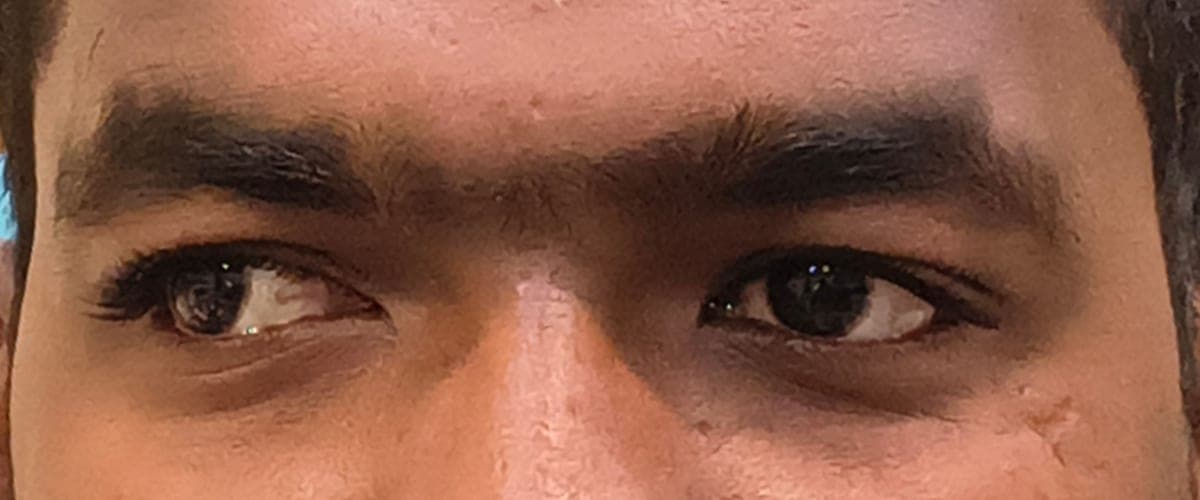
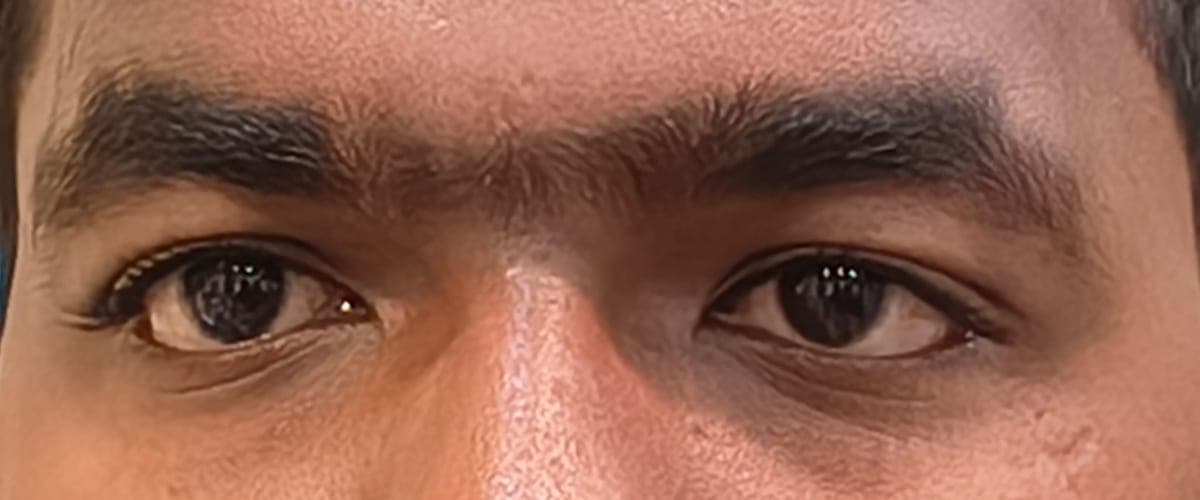
Treated with vision therapy
Squint (strabismus)
A structured program of eye exercises, guided by the optometrist, to improve how the eyes work together. Whether it can help depends on the type of squint, so an assessment comes first.
Frequently asked questions
When to go to a hospital instead
Go to the nearest hospital emergency department immediately if you have:
- Sudden loss of vision
- Flashes of light or a shower of new floaters
- Eye injury or chemical splash
- Severe eye pain or a very red, painful eye
- Double vision that comes on suddenly